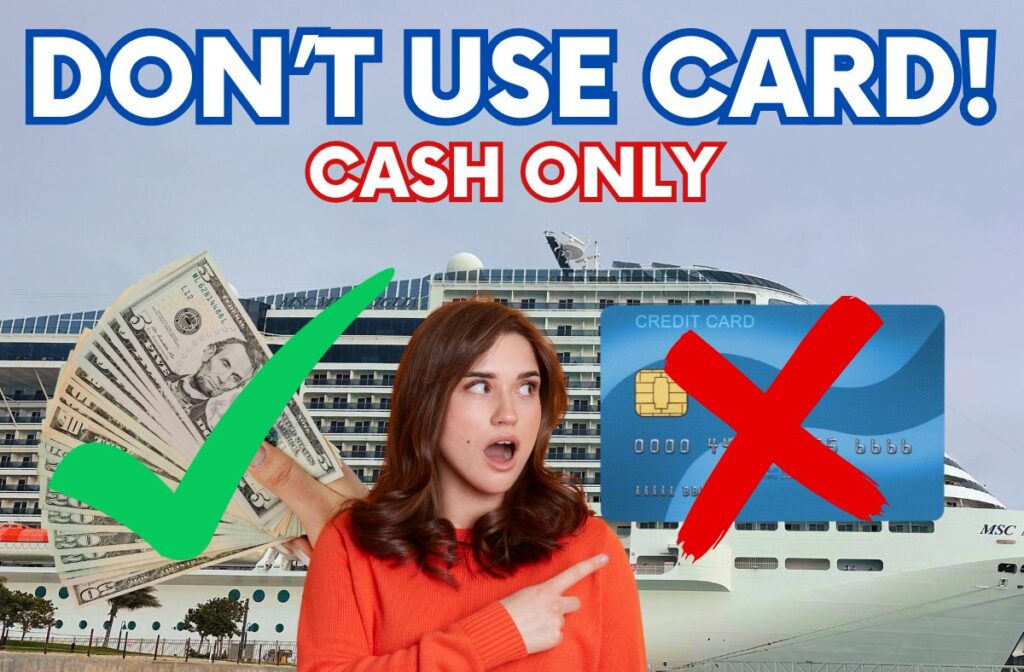
Today, it feels like you can swipe a card or tap your phone for almost everything—but when you’re cruising, cash is still king in certain situations.
Cruises are mostly cashless—you can charge drinks, shopping, and even gratuities to your cruise card—but I always bring cash with me.
Over the years, I’ve learned the hard way why it’s important, and today
I’m sharing the things I always pay for in cash, so you can avoid the mistakes I made.
Things to Pay in Cash on a Cruise
Cash Tips
This might sound obvious, but you really need to bring cash for tips. Sure, cruise ships automatically charge gratuities to your account, but I always carry extra cash.
Why? Because nothing beats handing a few bills directly to your main dining room servers or cabin steward when they go above and beyond.
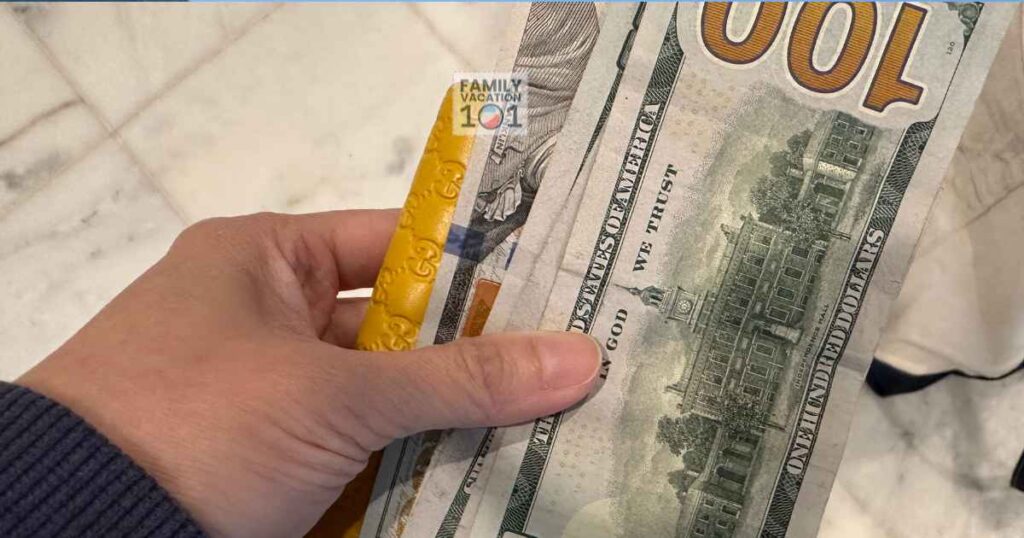
It feels personal, it makes their day, and it can even earn you a little VIP treatment.
Here’s a trick I’ve learned: I always tip my cabin steward on the very first day.
And I’ve noticed a pattern—when I do this, the service for the rest of the cruise is amazing.
Extra towels, extra facial tissues, little touches everywhere—you name it, they go above and beyond. It’s like setting the tone for the entire cruise!
This extra cash tip I give is on top of the automatic gratuity charged to my account.
You don’t need to give a lot—I usually give a $20 tip on the first day, and that’s usually greatly appreciated.
I also keep cash ready for porters at the terminal and tour guides on shore excursions.
Make sure you carry small denominations. Having one dollar and five dollar bills makes tipping quick, easy, and stress-free.
A few small bills can make a huge difference in how people remember you—and can earn you VIP treatment throughout your cruise.
Paying to Use the Bathroom
Yes, public bathrooms! In many European countries—and some other destinations—you often have to pay a small fee just to use the restroom, especially at tourist attractions and transit hubs.
Most of the time, there’s a sign posted showing the amount you need to pay to get in, so you’ll know what to have ready.
Here’s an important tip: the fee is usually per person. So, if you’re traveling with family, you’ll need enough small change for everyone.
And keep in mind—you’ll need local currency. US dollars usually won’t work, so make sure you have the right coins or bills.
Even in free restrooms, you might encounter an attendant, and leaving a small tip for their service—like providing toilet paper or keeping things tidy—is customary.
Having small change on hand ensures you can handle these situations quickly and politely.
Buying Souvenirs at Straw Markets
Whenever I’m in the Caribbean, I always bring cash for the local markets. These markets are full of colorful, handmade goods—everything from woven baskets to jewelry to quirky little trinkets.

Most vendors don’t take cards, and even if they say they do, I personally don’t trust it.
Small, temporary setups are more prone to card skimmers or connectivity issues, and I’d rather not risk a failed transaction when I find something I really love.
When bargaining, make sure you agree on the currency—US dollars or local money—and carry small bills.
If you pay with a large note, you might end up with a pocketful of foreign bills and coins as change that you can’t use anywhere else.
Trust me, I’ve learned this the hard way, trying to buy a small souvenir with a $50 bill and getting a huge pile of change in local currency—it was more trouble than it was worth. Small bills make transactions quick and easy.
Paying the Taxi Driver
You will need cash when you take taxis at cruise ports. Many drivers don’t take credit cards.
I learned this the hard way in Stockholm. We were returning from a shopping mall, and the driver only accepted Swedish krona.

Luckily, I was able to get an Uber instead, or we would have had a long, exhausting walk back to the ship.
Here’s a tip: always confirm the fare and the expected currency before getting in. Many cruise ports post taxi fares—snap a photo to help negotiate if needed.
And don’t assume Uber or other rideshares are available everywhere—some ports, like Copenhagen, don’t have them. You don’t want to get stranded because you didn’t have cash.
Paying at Local Restaurants
Whenever I eat at a restaurant in a cruise port, I always pay in cash. Sure, credit cards are accepted in many places, but small restaurants sometimes have unreliable card systems—and I don’t want to risk a hacked card or a failed transaction.
Tipping is also easier in cash. It’s flexible, personal, and keeps things stress-free. I carry a mix of small bills and coins—enough to leave a little extra for great service without fumbling at the end of the meal.
And if the restaurant has a minimum card charge, cash can be a lifesaver.
Paying for Public Transportation
Local buses at cruise ports often only take cash. I learned this the hard way in Northern Ireland at the Giant’s Causeway.
The shuttle from the welcome center to the site wasn’t included in our tour package, and it was a long walk, especially with tired kids.
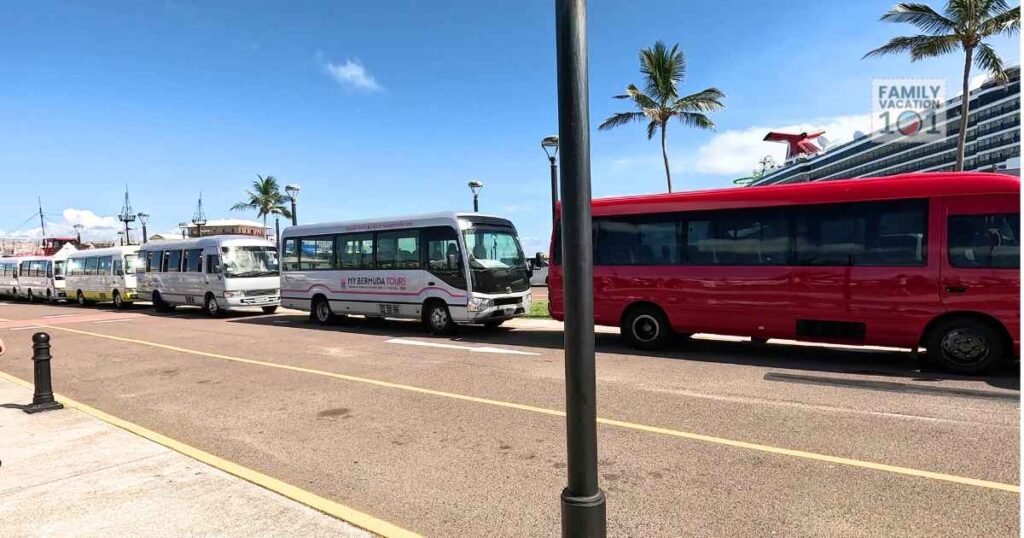
Luckily, I had enough Euros for all four of us to ride the shuttle—it saved us so much time and energy!
Carry a variety of small bills and coins—you never know when the driver won’t have change or when a last-minute ride is necessary. Having cash in these situations can turn a stressful day into a smooth, enjoyable one.
Buying Food from Street Vendors
Cash is your best friend when it comes to buying food and drinks from local street vendors.
Most of these vendors don’t take cards, and even if they do, I personally stick with cash. Small bills make transactions quick and easy.
Here’s a personal tip: I usually stick to packaged food and bottled drinks. My son has peanut and treenut allergies, so bringing our own snacks is the safest choice.
I also like to bring filled bottled water to the port—it saves money, though I won’t lie, it can get a little heavy hauling it around all day!
Parking Fees
If you’re renting a car at the cruise port, some parking lots—especially smaller, local ones—only accept cash.
It’s frustrating to circle around looking for an ATM or trying to pay with a card that isn’t accepted.
Keeping some small bills and coins ready means you can park quickly and get to your excursion without stress.
Tipping Street Performers
You’ll often come across street performers at ports—musicians, dancers, or magicians. Cash is perfect here—you can leave a small tip instantly and show appreciation.
Plus, it’s a great way to support locals. A few small bills go a long way.
Storage Lockers
Another place cash comes in handy is for storage lockers at train stations, airports, and tourist attractions.
Many of these lockers only take coins or local bills, so if you’re traveling with luggage, having cash ready means you can store your stuff quickly and stress-free.
Don’t get stuck carrying everything around just because you didn’t have the right change!
Cash Discounts
Here’s a pro tip: sometimes paying cash can actually save you money. Some vendors might give you a discount if you pay in cash.
When you’re bargaining, try asking, ‘If I pay cash, do I get a discount?’—you’d be surprised how often it works!
Cruise Essentials to Buy Before Your Cruise
Family Vacation 101 participates in affiliate programs including the Amazon Associates Program and may earn from qualifying purchases at no extra cost to you.
Travel Must-Haves
Passport neck wallet – Keeps your passport and travel documents secure and accessible. It also has RFID protection.
Cruise lanyards – A super convenient way to keep your cruise card within easy reach. No more digging through your bag every time you need it! I recommend getting one lanyard per person in your group and choosing different colors so it’s easy to tell them apart.
Anti-theft crossbody bag with anti-pickpocket clip – Genius anti-theft clip and versatile enough for both port days and evenings in the dining room.
Anti-theft crossbody bag with RFID – Padded shoulder straps with RFID lining to safeguard against identity theft.
Insulated water bottles –I don’t like spending money on bottled water, and I always want fresh water in my cabin. I’ll fill my bottle at the buffet or ask my server at dinner, then bring it back so I have water at night. This is my go-to water bottle—I prefer ones without straws since they’re much easier to wash in the cabin sink.
Pashmina – This multi-purpose wrap always earns its spot in my luggage. Use it as an evening wrap, a lightweight plane blanket, or a cover-up when visiting places of worship that require modest dress. I never cruise without one—you’ll be surprised how often it comes in handy.
Cruise Planning Essentials
Day Passes to Resorts– Booking private beach resort access in advance guarantees a comfortable beach experience at the cruise port.
Travel Insurance with CFAR Coverage– CFAR travel insurance gives you flexibility to cancel your cruise for any reason and recover part of your costs if plans change.
Last Minute Cruise Deals– Search for last minute cruise deals.
Cabin Comfort & Organization
Non-surge Cruise power strip– Cabins never have enough outlets (check cruise line rules first).
Magnetic hooks – Super-strong magnetic hooks that attach easily to your cabin walls. They’re perfect for hanging hats, cruise lanyards, goggles, swimsuits, and towels. I personally use the 85+ lb hooks—they’re incredibly sturdy and can even hold backpacks!
Small portable fan – Improves airflow and keeps Inside Cabins from feeling stuffy.
Motion sensor night light – Perfect for Inside Cabins, for when you get up at night to use the bathroom. It also has a magnetic base, so you can easily attach it to your cabin walls.
Toiletries & Laundry
Hanging toiletry bag – Keeps your essentials neat and accessible.
Fabric freshener spray – Fights wrinkles and refreshes clothes between wears.
Travel-size detergent – Handy for washing swimsuits, underwear, and quick-dry clothing in the sink.
TSA-approved travel containers – Easy to pack your lotions, creams, and other liquids without worrying about TSA rules.
Health & Wellness
Anti-seasickness medicine – My go-to meds for anti-seasickness. I take one in the morning on sea days (bring chewables for kids).
Acupressure bands – A natural alternative for seasickness relief. I use this with the anti-seasickness meds.
Packing & Storage
Cruise travel planners– Check out my travel planners, they help you stay organized before and during your trip.
Packing cubes – I never travel without packing cubes! They make packing and unpacking so easy—you can simply slip the entire cube into the cabin closet or drawer. I like to assign a different color to each person so there’s no mix-up.
Foldable duffel bag – I always pack a foldable duffel bag in case I bring home too many souvenirs or do some extra shopping. It doubles as an extra carry-on and barely takes up any luggage space.
Foldable shopping bag – Perfect for shopping at cruise ports, these bags fold up small enough to keep in your purse. I always carry one with me—you never know when you’ll need it! Plus, many countries charge a fee for shopping bags, and I’d much rather use my own than pay extra.
Foldable backpack – Perfect for cruise port days when you need an extra bag. I love that these backpacks are lightweight and fold down small, so you can toss one in your luggage without taking up much space.
Travel luggage scale – I always keep one in my suitcase so I can weigh my bags before heading to the airport. It’s a simple way to avoid overweight baggage fees.
Apple AirTags – I pop one into each of my bags so I can track my luggage for peace of mind. They’re especially helpful if you have a short layover and worry about your suitcase getting left behind.
Beach Essentials
Towel Clips – A simple must-have for pool and beach days! They keep your towels from slipping off lounge chairs, and I never cruise without brining a few in my luggage.
Waterproof phone pouch – Protect your phone from water and sand while still being able to snap photos. I always bring one when cruising the Caribbean or Mediterranean—it’s a lifesaver for beach and pool days.
Striped beach bag with zipper – You’ll need a beach bag with zipper to keep your things secure. I like this one because it’s stylish, has a water bottle holder, keeps belongings secure and has a lot of pockets.
Kid-Friendly Cruise Essentials
Magnetic toys – Cabin walls are magnetic, making these toys perfect for fun, mess-free entertainment. They keep kids busy when you’re in the cabin, especially since cruise TV options for kids can be limited. It’s always best to bring your own toys.
Collapsible beach buckets and toys – You’ll definitely want to bring beach toys if you’re going on a Caribbean cruise! This collapsible set includes foldable buckets, shovels, and sandcastle molds, all packed neatly in one bag. They’re easy to fit in your suitcase without taking up much space.

9 Cruise Mistakes I Don’t Make Anymore After 25+ Cruises
When I first started cruising, I thought choosing the cheapest fare and figuring everything else…
18 Ways to Save Money on MSC Cruises (Cruise Tips that Work)
With inflation making everything more expensive, I am always looking for ways to save money….
15 Cruise Cabin Organization Tips for Families With Kids
I love cruising, but sharing a small cabin with kids can get crowded fast. Between…
Norwegian Cruise vs. MSC Cruise: 10 Differences to Know
Norwegian Cruise Line or MSC Cruises? I’ve sailed on both, and some of the differences…
10 Cruise Mistakes that Waste Your Vacation Time
The last thing you want to do on a cruise is spend your vacation waiting…
10 Ways People Waste Money on MSC Cruises
MSC Cruises can be a great bargain compared with other major cruise lines. But what…
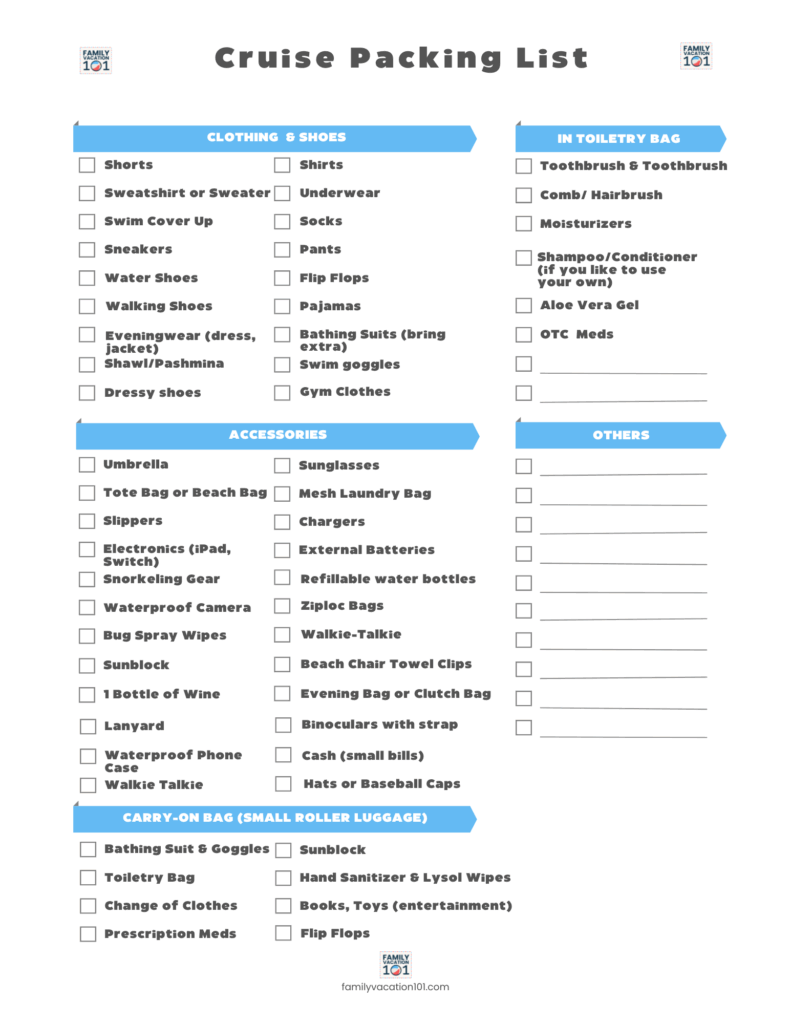
Get Your FREE Cruise Packing List

Sign up once and you will get access to ALL exclusive content on this website. After unlocking the printable, just save the printable image and then print it. Use it to help you pack for your cruise vacation. I hope you like it!
Download my free Cruise Packing List printable.